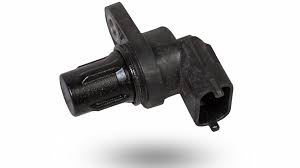


After twenty years of working under the hood, I can tell you this with certainty: the Crankshaft Position Sensor is one of the most vital components in your modern vehicle. Without this small but powerful sensor, your engine would lose its rhythm entirely. Think of it as the precise conductor of your engine’s orchestra, ensuring every part moves in perfect harmony. In this comprehensive guide, I’ll walk you through everything you need to know—from its fundamental role to diagnosing a failing unit, all drawn from real-world, hands-on experience.
What is a Crankshaft Position Sensor and What Does It Do?
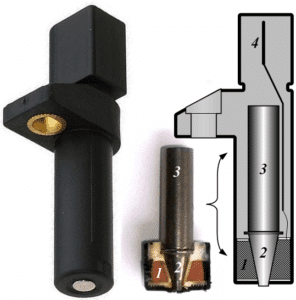
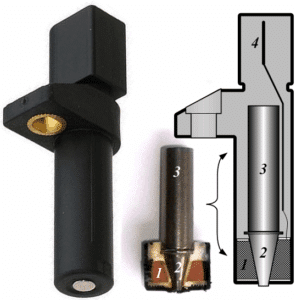
In simple terms, the Crankshaft Position Sensor is the engine’s primary timing sensor. It’s typically mounted near the crankshaft pulley or the flywheel/flexplate, reading notches or teeth on a reluctor ring. As the crankshaft spins, this sensor monitors its precise position and rotational speed. It then sends this critical data—in real-time—to the engine control unit (ECU). The ECU uses this information to precisely control fuel injection timing and ignition spark. Without an accurate signal from this sensor, the ECU is essentially blind to the piston positions, making coordinated combustion impossible.
Common Symptoms of a Failing Crankshaft Sensor
A failing Crankshaft Position Sensor doesn’t just quit silently; it sends out clear distress signals. Over the years, I’ve diagnosed hundreds based on these tell-tale signs. Ignoring them can leave you stranded.
- Engine Won’t Start: This is the most common and definitive symptom. If the ECU doesn’t receive a signal from the crank sensor, it won’t allow the engine to start, as it cannot sync fuel injection and spark.
- Intermittent Stalling: The engine might suddenly cut out while driving, especially when it gets warm, and then may or may not restart after cooling down. This is a classic sign of a failing sensor.
- Check Engine Light: Codes like P0335 (Crankshaft Position Sensor “A” Circuit Malfunction) or P0336 (Circuit Range/Performance) will illuminate the check engine light.
- Rough Engine Idle and Misfires: An erratic signal can cause the ECU to miscalculate timing, leading to a rough, shaky idle and noticeable misfires.
- Uneven Acceleration and Hesitation: You might feel the car jerk or hesitate during acceleration because the engine timing is constantly fluctuating.
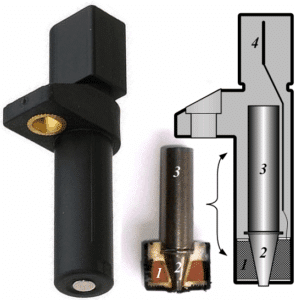
How to Diagnose a Faulty Crankshaft Position Sensor
While a professional scan tool is the best route, understanding the diagnostic process is valuable. Here’s what a seasoned mechanic would do:
- Scan for Trouble Codes: The first step is always to read the OBD-II codes. A P0335 or P0336 code directly points to the sensor’s circuit.
- Visual Inspection: We check the sensor and its wiring harness for any obvious physical damage, corrosion, or loose connections. The wiring is often the real culprit.
- Check Sensor Resistance: Using a multimeter, we measure the sensor’s internal resistance (ohms) and compare it to the manufacturer’s specifications. An out-of-spec reading confirms a bad sensor.
- Check for AC Voltage Signal: With the engine cranking, a healthy magnetic or Hall-effect sensor should produce a small AC voltage signal, which can be seen on an oscilloscope or sometimes a multimeter.
Crankshaft Position Sensor Technical Specifications at a Glance
Different vehicles use different types of sensors. Here’s a quick comparison of the two most common types you’ll encounter.
| Sensor Type | How It Works | Output Signal | Key Characteristics |
|---|---|---|---|
| Magnetic (Variable Reluctance) | Generates its own AC voltage when a ferrous metal tooth passes by. | Analog AC Sine Wave | Has a two-wire connector. Does not require an external power source. Tested by measuring resistance. |
| Hall-Effect | Uses an external power source and a semiconductor to detect magnetic field changes. | Digital Square W |
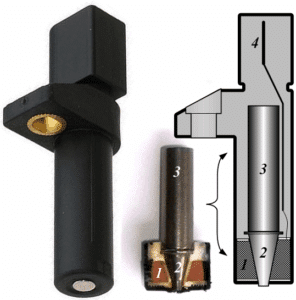
Frequently Asked Questions About the Crankshaft Sensor
Can you drive with a bad crankshaft position sensor?
It is highly inadvisable and often impossible. If the car starts, it can stall at any moment without warning—a major safety hazard. You should address the issue immediately.
What causes a crankshaft sensor to fail?
Common causes include heat damage from being near the engine, physical damage from road debris, internal electrical failure, and contamination by metal shavings or oil.
How does the crankshaft sensor work with other sensors like the Camshaft Position Sensor?
The Crankshaft Position Sensor tells the ECU the position and speed of the pistons, while the Camshaft Position Sensor identifies which cylinder is on its compression stroke. The ECU cross-references these two signals to enable sequential fuel injection (SFI) and precise spark timing, a system known as “fuel sync.”
Is a crankshaft position sensor expensive to replace?
The part cost is typically moderate, but labor can vary depending on its location. In some cars, it’s easily accessible; in others, it may require removing several components.
Can a bad crank sensor damage the engine?
While the sensor itself won’t cause mechanical damage, the symptoms it creates (like severe misfires) can potentially harm the catalytic converter over time. The primary risk is the sudden stalling, which is a safety issue.
How does the signal from the crank sensor relate to the data from the Mass Air Flow Sensor?
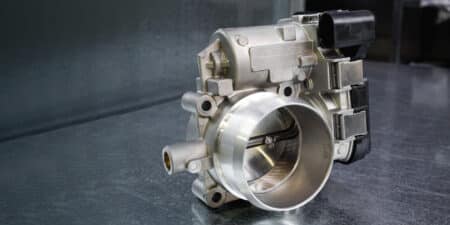
The Mass Air Flow (MAF) Sensor tells the ECU the volume of air entering the engine. The Crankshaft Position Sensor tells the ECU the engine’s speed and position. The ECU uses both pieces of information to calculate the optimal fuel pulse width for combustion.
What other sensors are critical for engine timing alongside the crank sensor?
Besides the Camshaft Position Sensor, the data from the Manifold Absolute Pressure (MAP) Sensor is also crucial. The MAP sensor reports engine load, which the ECU uses alongside crank and cam signals to adjust ignition timing for power and efficiency.
For a broader technical perspective on engine management systems that rely on this sensor, you can refer to the general page on Wikipedia.
Remember, the Crankshaft Position Sensor is the undeniable heartbeat of your engine. When it’s healthy, everything runs smoothly. When it fails, the entire system grinds to a halt. Paying attention to its early warnings can save you from a tow truck and a much larger repair bill. Trust the symptoms, and don’t hesitate to get it checked.

1 Comment
Pingback: Camshaft Position Sensor: The Brain Behind Perfect Engine Timing 2025 - Car Reviews, Prices & Auto Blog