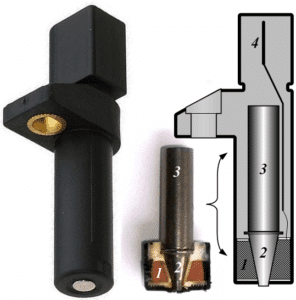
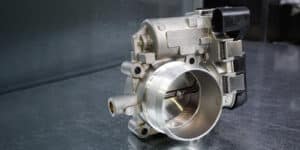


In my two decades as an automotive technician, I’ve come to appreciate the elegant simplicity of the Camshaft Position Sensor. While the crankshaft sensor tells the engine when to fire, this clever component tells it where to fire. It’s the difference between a perfectly synchronized orchestra and chaotic noise. When this sensor fails, your engine’s sophisticated timing goes out the window, and believe me, the symptoms are impossible to ignore. Let me walk you through everything I’ve learned about this critical component.
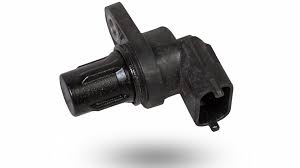
Understanding Your Vehicle’s Camshaft Position Sensor
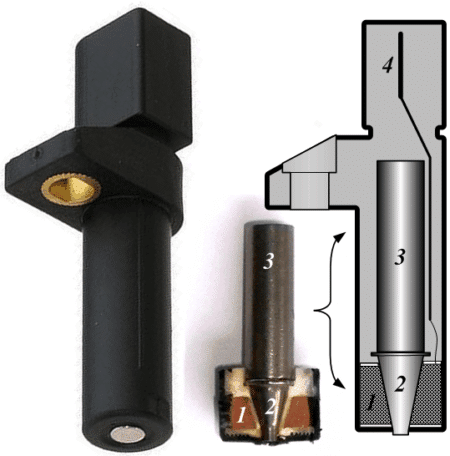
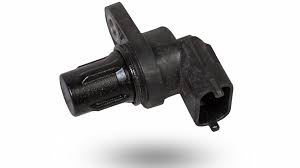
So, what exactly is this sensor? The Camshaft Position Sensor is your engine’s eyes on the valvetrain. Mounted typically on the cylinder head near the end of the camshaft, it monitors the position and rotational speed of the camshaft. It does this by reading notches or a specific reluctor ring on the camshaft. This information is sent instantly to your car’s Engine Control Unit (ECU). The primary job? To identify which cylinder is on its compression stroke. This allows the ECU to perfectly synchronize sequential fuel injection and, in many engines, to control variable valve timing systems for optimal power and efficiency.
Spotting the Warning Signs of a Failing Camshaft Sensor
A failing Camshaft Position Sensor announces its decline in several distinct ways. Over the years, I’ve diagnosed countless cars based on these very symptoms. Catching them early can prevent a much more inconvenient breakdown.
- Difficulty Starting the Engine: The engine may crank longer than usual before starting, or it might not start at all. Without a clear camshaft signal, the ECU struggles to initiate the correct firing sequence.
- Rough Idle and Stalling: You’ll feel a noticeable shake or stumble at idle, and the engine might even stall when coming to a stop. This happens because the fuel injection timing is out of sync.
- A Significant Drop in Fuel Economy: When the ECU doesn’t know the exact camshaft position, it often defaults to a less efficient “limp-home” mode, injecting more fuel than necessary to prevent damage.
- Poor Engine Performance and Hesitation: Acceleration feels sluggish, and the car may jerk or hesitate, especially under load. This is a direct result of mistimed fuel delivery.
- Illuminated Check Engine Light: Codes like P0340 (Camshaft Position Sensor “A” Circuit Malfunction) or P0341 (Circuit Range/Performance) are a dead giveaway.
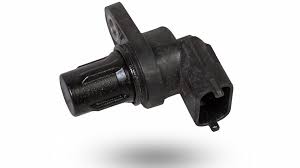
The Critical Partnership: Camshaft and Crankshaft Sensors
These two sensors work in tandem like a perfectly choreographed dance. The Crankshaft Position Sensor tells the ECU the position and speed of the pistons (the crankshaft). The Camshaft Position Sensor tells the ECU the position of the valves. The ECU cross-references these two signals to determine the exact phase of the engine’s cycle. This “fuel sync” is what enables precise sequential fuel injection, where fuel is injected just as the intake valve for a specific cylinder is about to open. Without this partnership, the engine would have to use a less efficient “waste-spark” and batch-fire fuel system.
A Practical Guide to Diagnosing Camshaft Sensor Issues
Camshaft Position Sensor While a professional scan tool is ideal, you can understand the diagnostic logic. Here’s the process I follow in my shop:
- Code Reading is Key: The first step is always to check for stored OBD-II codes. A P0340-series code provides a strong starting point.
- Visual Inspection is Crucial: I always check the sensor’s electrical connector for corrosion, damage, or loose pins. I also inspect the wiring harness for chafing or burns.
- Sensor Resistance Check: Using a multimeter, I measure the sensor’s internal resistance. I compare the reading to the manufacturer’s specifications. An out-of-range reading indicates a faulty sensor.
- Live Data and Scope Analysis: With a advanced scan tool, I can observe the camshaft position data in real-time. An oscilloscope can show me the actual waveform of the sensor’s signal, revealing issues that a simple resistance check might miss.
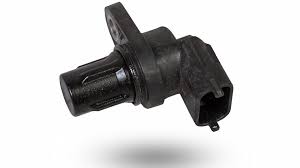
Camshaft Position Sensor: Function and Failure Modes
To help you understand the core issues, here’s a table breaking down the sensor’s role versus the consequences of its failure.
| Aspect | Normal Operation | During Failure |
|---|---|---|
| Camshaft Position Sensor Primary Function | Precisely identifies camshaft position for cylinder-specific fuel injection and ignition timing. | The ECU can no longer identify individual cylinder cycles, disrupting sequential fuel injection. |
| Engine Starting | Quick, reliable starts as the ECU knows exactly when to inject fuel and spark. | Extended cranking or a no-start condition as the ECU guesses the firing order. |
| Fuel Injection | Sequential (SFI): Fuel is injected into each cylinder at the optimal moment. | Often defaults to batch firing, wasting fuel and reducing efficiency. |
| Engine Performance | Smooth idle, responsive acceleration, and optimal power. | Rough idle, hesitation, misfires, and a noticeable lack of power. |
Frequently Asked Questions About the Camshaft Sensor
What is the main difference between the camshaft and crankshaft position sensors?
The crankshaft sensor determines engine speed and the position of the pistons. The camshaft sensor determines the position of the valves and identifies which cylinder is active. The ECU needs both to run a modern sequential fuel injection engine.
Can a bad camshaft sensor damage my engine?
While the sensor itself won’t cause mechanical damage, the symptoms it creates—like severe misfires and unburned fuel entering the exhaust system—can overheat and destroy your catalytic converter, which is a very expensive component to replace.
How does a faulty camshaft sensor affect other systems like the VVT?
Many modern engines use the camshaft position signal to control Variable Valve Timing (VVT) systems. A faulty signal can disable the VVT system, leading to a significant loss of low-end torque or high-end power, poor fuel economy, and sometimes even a rattling noise from the timing system.
Is it safe to drive with a bad camshaft position sensor?
It is not recommended. The car could stall unexpectedly, leaving you without power steering or brakes, which is a serious safety hazard. The risk of damaging the catalytic converter also makes it an expensive gamble.
Can other sensor problems mimic a bad camshaft sensor?
Yes. Issues with the Mass Air Flow (MAF) Sensor can cause similar driveability problems like rough idle and hesitation. A proper diagnosis with a scan tool is essential to pinpoint the exact cause.
How does engine load data from a MAP sensor relate to the camshaft signal?
The Manifold Absolute Pressure (MAP) Sensor tells the ECU the engine load. The ECU uses this information together with the camshaft and crankshaft position data to calculate the most efficient ignition timing and fuel injection pulse width for both power and economy.
For a broader understanding of engine management and sensor integration, the page on engine control units on Wikipedia provides excellent background.
Think of the Camshaft Position Sensor as the final piece of the puzzle that allows your engine to run with refined precision. It transforms a basic combustion machine into a smooth, efficient, and powerful modern engine. When it works, you don’t notice it. Camshaft Position Sensor When it fails, you can’t miss it. Trust the symptoms, and don’t hesitate to get a professional diagnosis.